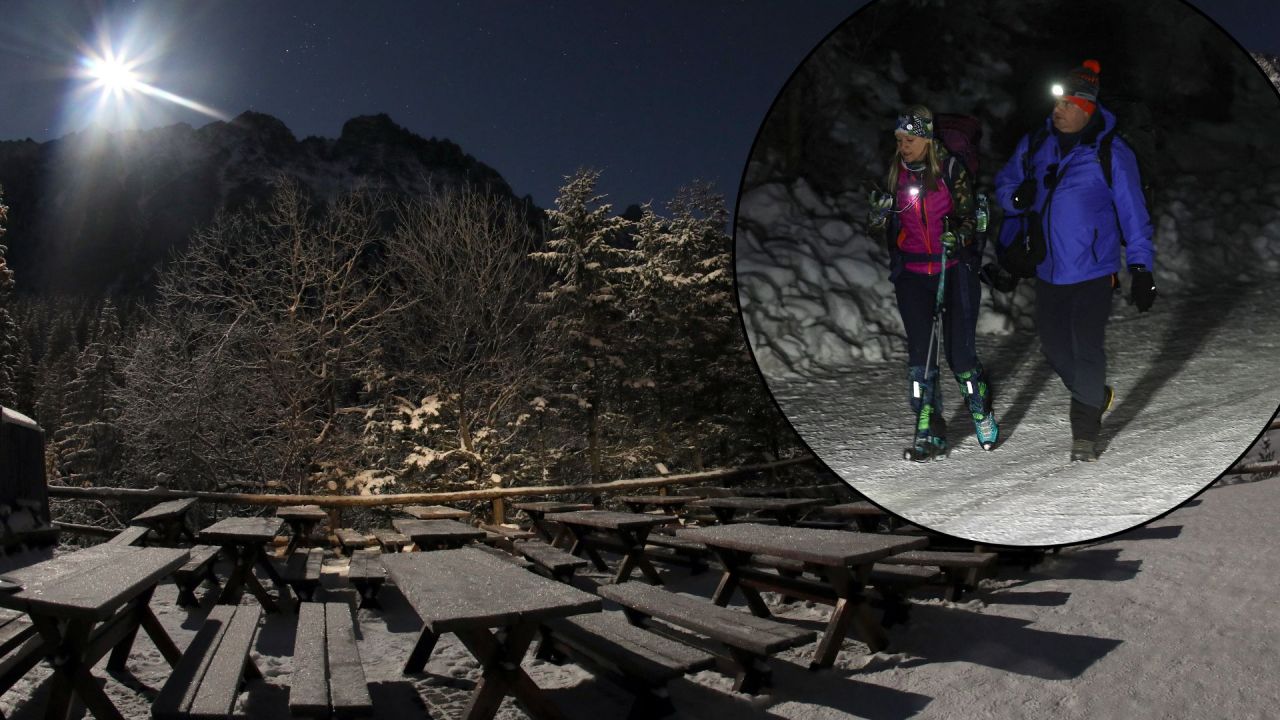
The Tatra Mountains, a popular destination for tourists and nature enthusiasts, are now subject to a year-round night ban, a significant change from previous regulations that only restricted activities from March 1 to November 30.
The new regulation aims to protect the region's delicate ecosystem by minimizing light pollution and disturbances to nocturnal wildlife. Authorities believe that continuous restrictions will help preserve the natural habitat and promote ecological balance.
Previously, the night ban was implemented seasonally, primarily during the warmer months when human activity and tourism peaked. However, recent environmental assessments indicated that wildlife in the area remains vulnerable throughout the year, prompting the authorities to extend the restrictions permanently.
The regulation prohibits outdoor lighting, campfires, and other activities that could disturb the natural environment during nighttime hours. Visitors and locals are advised to adhere strictly to these rules to ensure the conservation efforts are effective.
Environmental experts have welcomed the decision, emphasizing that consistent protection measures are crucial for maintaining biodiversity in the Tatra Mountains. They also highlight that reducing artificial light at night can benefit both wildlife and the quality of the natural night sky.
Tourism operators and local residents have expressed mixed reactions. While many support the conservation goals, some have raised concerns about the impact on nighttime tourism activities. Authorities have assured that the regulation aims to strike a balance between ecological preservation and sustainable tourism development.
Overall, the year-round night ban represents a proactive step by Polish authorities to safeguard the Tatra Mountains' unique environment. Continued monitoring and community cooperation will be essential to ensure the success of these conservation efforts.